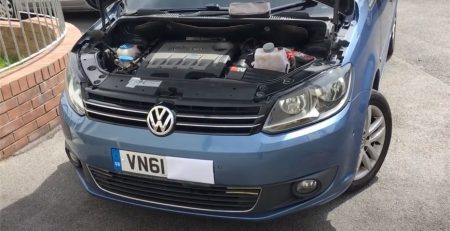
How does the HHO kit work?
🔧 How Does the HHO Kit Work?
Understanding how an HHO kit works may seem complex at first glance, but once broken down, the process becomes surprisingly clear. Let’s walk through the essential components and how they interact to produce oxyhydrogen (HHO) gas—one of the most innovative fuel-saving technologies available today.
⚙️ What Is Electrolysis?
First and foremost, HHO technology is based on electrolysis, a simple electrochemical process. This concept is typically introduced in high school chemistry classes and is not considered advanced science.
🔍 Electrolysis: A method where electrical current is used to split water (H₂O) into hydrogen (H₂) and oxygen (O₂).
In this case, a dry cell electrolyzer—a stack of stainless steel plates separated by gaskets—is used to generate HHO gas.
🧪 What Components Are Required?
To function properly, the system requires two key elements:
-
⚡ Electrical Power
From your vehicle’s charging system (12V–14.4V DC or 24V–29V DC). -
💧 Electrolyte Solution
Usually a mix of distilled water and Potassium Hydroxide (KOH) or Sodium Hydroxide (NaOH).
Optional but not recommended: You may also use baking soda (Sodium Bicarbonate) or vinegar, though these alternatives can clog hoses and release odors.
🧩 How Are the Parts Connected?
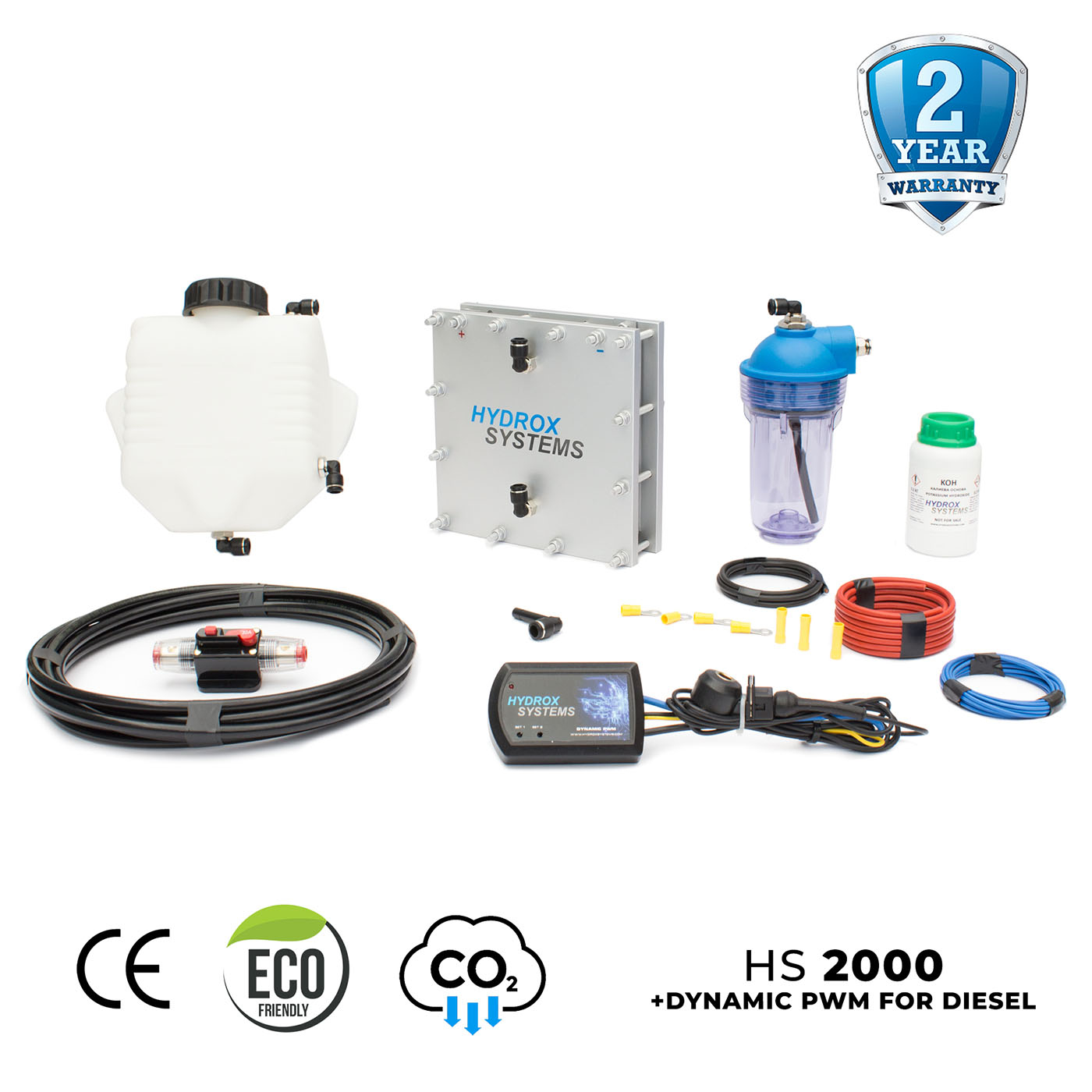
An HHO system typically includes:
-
🫙 HHO Reservoir (Tank)
-
🧱 Dry Cell Electrolyzer
-
💨 Bubbler (Gas Purifier & Flashback Arrestor)
These components are connected by hoses that:
-
Deliver electrolyte to the dry cell.
-
Return produced HHO gas and residual electrolyte to the reservoir.
-
Channel purified gas from the top of the reservoir to the bubbler and finally into the engine intake.
👉 Insert image or diagram here showing hose connections between the reservoir, dry cell, and bubbler.
🔁 How Does Electrolysis Occur Inside the HHO Dry Cell?
Here’s a simplified explanation of the electrolysis process in action:
-
Voltage is applied to the dry cell.
-
Electrons flow between positive and negative stainless steel plates.
-
Neutral plates in between help stabilize voltage distribution (1.5–2.0V between each plate pair).
-
This current breaks water (H₂O) into its base elements: hydrogen (H₂) and oxygen (O₂).
-
The result is a homogeneous mixture of HHO gas (2 parts hydrogen + 1 part oxygen).
🔃 How Does the Electrolyte Circulate?
When HHO gas forms inside the dry cell:
-
It rises (being lighter than the electrolyte), carrying some liquid with it.
-
This gas-liquid mixture flows back to the reservoir.
-
The reservoir separates the gas and returns the electrolyte to the dry cell via the bottom hose.
This creates a self-sustaining circulation system—no pump is needed.
🔄 Pro Tip: Ensure your hoses are transparent so you can monitor the circulation process easily.
💨 What Is the Role of the Bubbler?
The bubbler serves two vital roles:
-
Purifies the gas from excess steam (which may occur due to vaporization, even at 20°C).
-
Acts as a safety device—a flashback arrestor—in case a spark travels back from the engine.
👉 Insert icon of a flame crossed out or a safety shield here.
🔋 How Much Power Does It Use?
In a typical 12V system:
-
You can increase gas output by raising amperage (Amps).
-
However, more Amps = more heat.
-
Too much heat may cause the electrolyte to boil, increasing steam and reducing efficiency.
⚠️ Warning: Never exceed your cell’s Amp limit. Overheating may reduce performance or damage components.
🧊 What About Cold Climates?
The electrolyte solution—especially with KOH or NaOH—offers good frost resistance. However, you should still check specifications for freezing temperatures to ensure year-round reliability.
🧠 Final Thoughts
So, how does an HHO kit work?
In essence, it’s all about using electricity to convert water into a fuel-rich gas, which is then purified and injected into your engine to enhance combustion.
-
✅ Simple to understand
-
✅ Requires only electricity and electrolyte
-
✅ Involves no moving parts
-
✅ Enhances fuel efficiency
-
✅ Reduces emissions
🚗 Want to see which HHO Kit is right for your car? Check our vehicle selector tool here ➜
Subscribe our Newsletter