HH+ Powder: Scam, Science Fiction, or Real Chemistry?
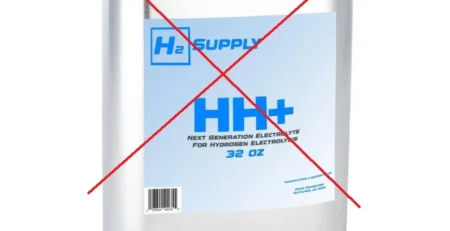
HH+ Powder: Scam, Science Fiction, or Real Chemistry?
Why HH+ Powder Sounds So Exciting?
The idea of a magic powder that can dramatically boost hydrogen production is incredibly appealing. It promises cleaner energy, lower costs, and a technological breakthrough that feels almost futuristic.
When YouTube creators began showcasing HH+ powder as a secret ingredient for highly efficient hydrogen generation, many viewers became curious — and hopeful.
But curiosity deserves honest answers.
This article looks at what HH+ powder is claimed to be, what science actually shows, and how to separate exciting storytelling from verified chemistry.
What HH+ Powder Is Supposed to Do
According to viral videos, HH+ powder allegedly:
-
Increases hydrogen output dramatically
-
Reduces electrical power consumption
-
Unlocks a “hidden” chemical reaction
-
Outperforms standard electrolytes
These claims are presented as if a groundbreaking discovery has been made.
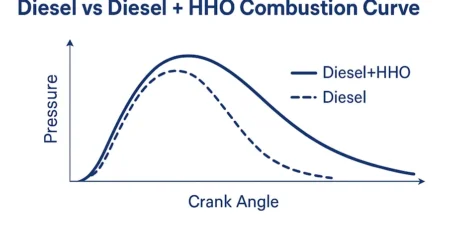
However, when we look beyond the videos, we find no scientific evidence supporting these statements.
There are no published lab results, no peer-reviewed studies, no disclosed chemical formula, and no recognized scientific validation.
Does HH+ Powder Exist in Real Chemistry?
At the moment, no scientific or industrial chemical called HH+ powder exists.
A legitimate chemical breakthrough typically appears in:
-
Academic research journals
-
Chemical compound databases such as PubChem
-
Patent filings and intellectual property records
-
University or corporate R&D publications
HH+ powder does not appear in any of these places.
That doesn’t mean innovation isn’t happening — it simply means this specific claim has no scientific footprint.
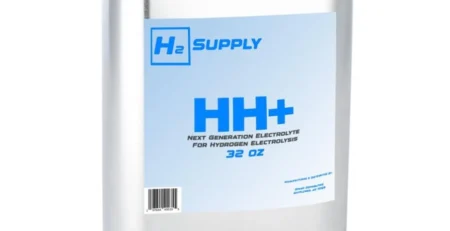
What Is Actually in the Powder Shown on YouTube?
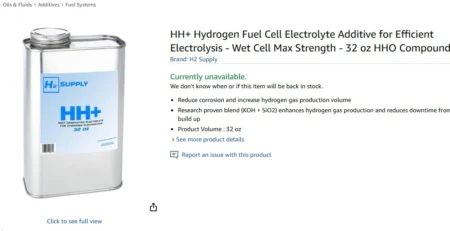
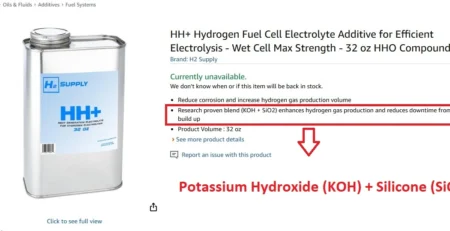
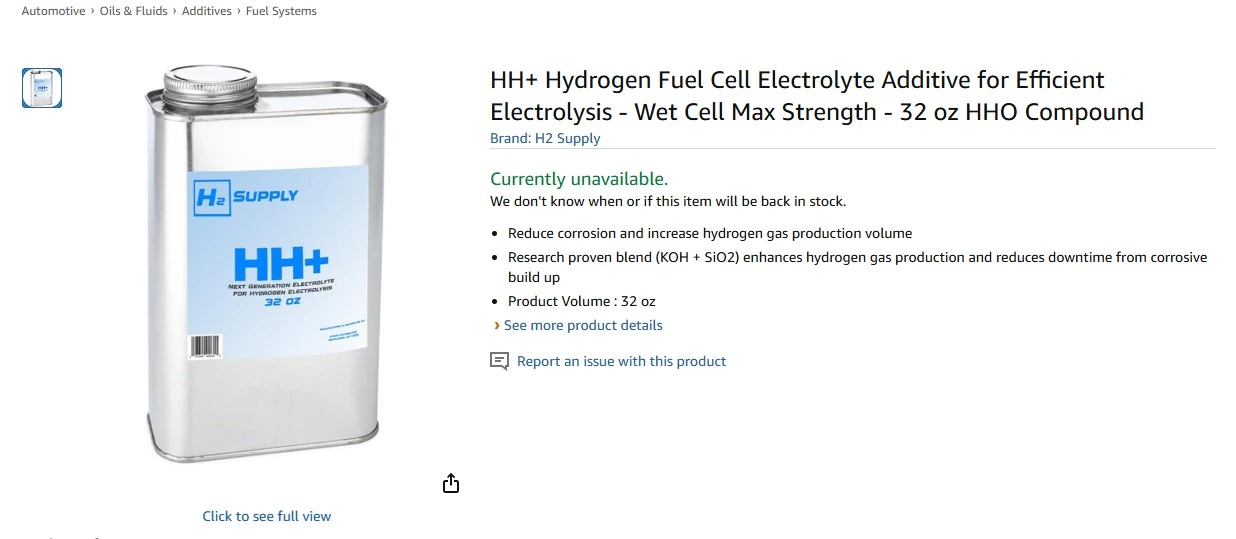
When chemists examine the demonstrations, the most likely explanation is that the powder is made of common, inexpensive materials already used in electrochemistry.
These often include:
-
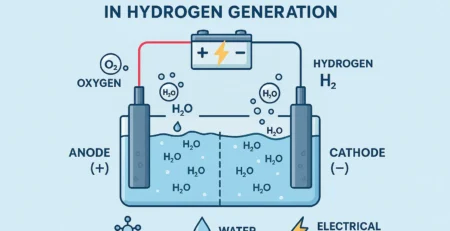
Potassium hydroxide (KOH) — a standard electrolyte in hydrogen production
-
Sodium hydroxide (NaOH) — widely used to increase conductivity
-
Baking soda (sodium bicarbonate) — sometimes used in hobby experiments
In some setups, creators may also use silicone-based anti-foaming agents, which reduce bubbling and make reactions appear cleaner and more controlled on camera.
These substances are well-known, widely available, and not secret.
Why the Videos Look So Impressive
Video demonstrations can be visually persuasive, especially if viewers can’t see:
-
Full electrical measurements
-
Baseline comparison data
-
Exact testing conditions
-
Independent verification
Small changes in camera framing, editing, timing, or measurement technique can significantly alter how results appear.
In other words, something can look revolutionary on video without actually being scientifically revolutionary.
Why People Believe HH+ Powder Claims
Many viewers genuinely want:
-
Clean energy solutions
-
Breakthrough technology
-
Alternatives to fossil fuels
-
Hope for a better energy future
Some creators tap into that optimism — combining it with mystery, secrecy, and dramatic storytelling.
This doesn’t mean viewers are naïve. It means they’re human, hopeful, and curious.
And curiosity is a great thing — as long as it’s guided by evidence and critical thinking.
How Real Hydrogen Efficiency Improvements Are Made
Actual progress in hydrogen technology comes from:
-
Better electrode materials
-
Improved power electronics
-
Smarter control systems
-
Optimized electrolyte concentrations
-
Engineering advancements in cell design
These innovations are:
-
Measurable
-
Reproducible
-
Published
-
Open to peer review
That’s what real science looks like.
A Gentle Reminder About Online Claims
YouTube is a powerful learning platform — but it’s also built for entertainment and engagement.
Some content creators prioritize views and mystery over transparency and scientific rigor.
Before believing a technical claim, it helps to ask:
-
Is this independently verified?
-
Are the creators transparent about who they are?
-
Is there published scientific evidence?
-
Could there be a simpler explanation?
Conclusion: Stay Curious, But Stay Grounded in Evidence
HH+ powder, as promoted online, has no scientific confirmation. The material shown is almost certainly ordinary electrolyte chemicals, presented in a visually compelling way.
That doesn’t mean hydrogen innovation isn’t real — it is. But real breakthroughs are open, documented, and verifiable.
So keep exploring new ideas, keep learning, and keep dreaming — just remember that not everything on YouTube represents scientific reality.
Scientific References
-
PubChem Compound Database
-
Journal of Applied Electrochemistry
-
American Chemical Society (ACS) Publications
-
Electrochemical Society Reports
-
Fundamentals of Industrial Electrolysis
Subscribe our Newsletter