Do HHO Systems Really Save Fuel? Scientific Evidence & Measured Results
Do HHO Systems Really Save Fuel? Scientific Evidence & Measured Results
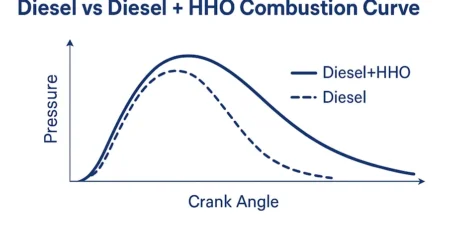
Hydrogen-enhanced combustion using HHO gas (also called oxy-hydrogen or Brown’s gas) has been rigorously studied across academic and engineering environments. Although numerous marketing claims exist, peer-reviewed research demonstrates measurable improvements in fuel efficiency, combustion performance, and emissions when HHO is used as a supplemental combustion agent in internal combustion engines (ICEs).
Modern vehicles are equipped with larger alternators, which provide greater electrical capacity to support HHO systems. Combined with Hydrox Systems’ high-quality electrolyzers and control systems, these conditions enable even greater fuel savings and performance improvements than traditional setups.
This article synthesizes the latest scientific evidence, links to the original PDF research, and explains why HHO systems deliver real fuel savings under properly engineered conditions.
1. What Is HHO Gas and How It Works
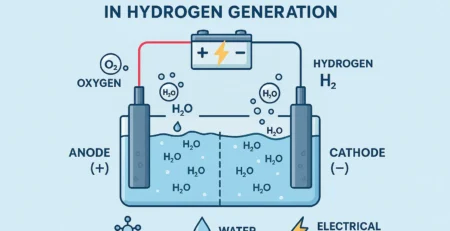
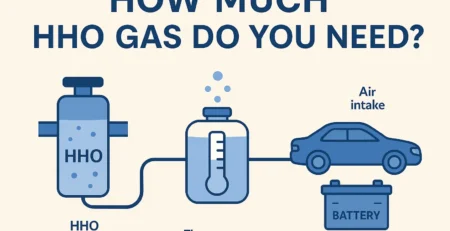
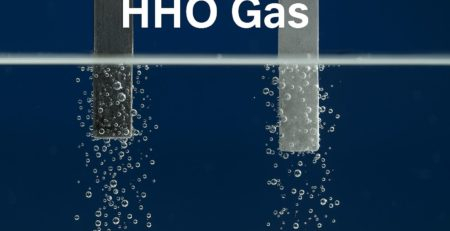
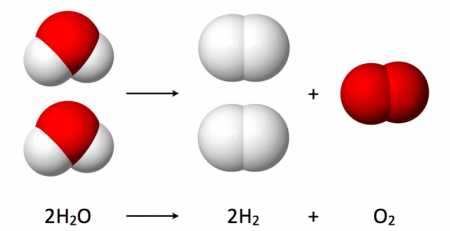
HHO gas is generated through the electrolysis of water, splitting H₂O into hydrogen (H₂) and oxygen (O₂) in a stoichiometric 2:1 ratio. When introduced into an engine’s intake air, HHO serves as a combustion enhancer, not a fuel replacement, improving the completeness of fossil fuel combustion.
Hydrogen’s unique properties make this possible:
-
High heating value (~120 MJ/kg)
-
Wide flammability range (4–75% in air)
-
High flame speed (~2.65 m/s vs 0.22–0.25 m/s for gasoline/diesel)
These characteristics accelerate flame propagation, enhance chemical reactions in the cylinder, and maximize energy extraction from conventional fuel.
2. Scientific Evidence of Fuel Consumption Reduction
Multiple studies confirm that HHO supplementation reduces fuel consumption significantly.
2.1 Skoda Vehicle & Laboratory Engine Tests
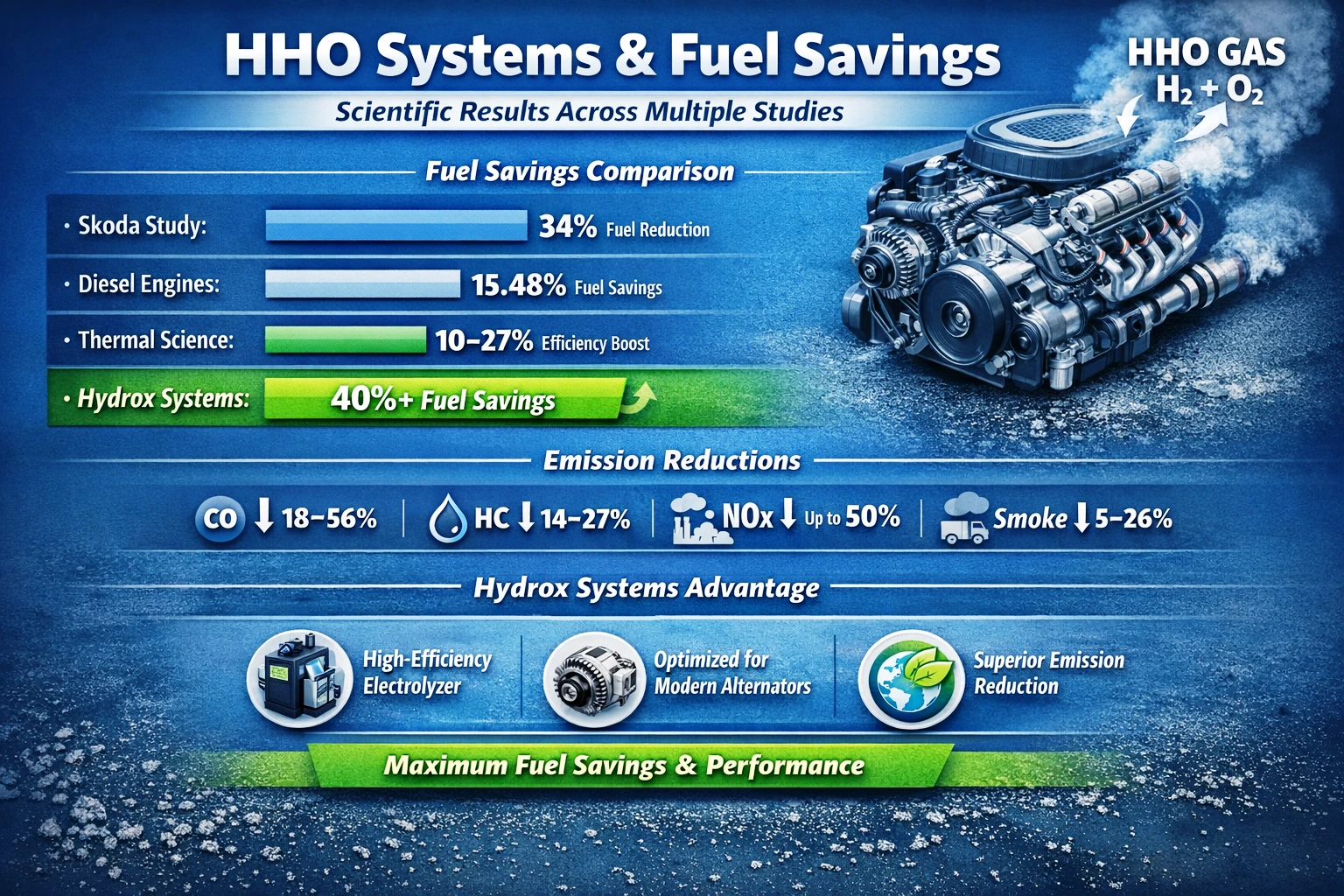
In one experiment, HHO addition resulted in a 34% fuel reduction in a Skoda Felicia 1.3 GLXi, demonstrating measurable efficiency gains under controlled conditions. This study also noted increases in thermal efficiency, supporting the combustion enhancement effect.
🔗 Full study (PDF):
https://digitalcommons.aaru.edu.jo/cgi/viewcontent.cgi?article=1304&context=erjeng
2.2 Thermal Science Research on Combustion Efficiency
Controlled engine tests published in Thermal Science showed substantial fuel savings and increases in Brake Thermal Efficiency (BTE) with HHO. This confirms that hydrogen presence accelerates fuel oxidation, improving energy conversion efficiency.
🔗 Full study (PDF):
https://thermalscience.rs/pdfs/papers-2013/TSCI121014078P.pdf
2.3 Internal Engineering Journal Study
Additional experiments documented that HHO injection enhances combustion efficiency, lowers fuel consumption, and reduces unburned hydrocarbons, supporting the energy-saving potential of oxy-hydrogen enrichment.
🔗 Full study (PDF):
http://www.ijeijournal.com/papers/Vol.7-Iss.9/E07092631.pdf
3. Brake Thermal Efficiency & Power Output Gains
Fuel savings are closely linked to thermal efficiency, which measures how effectively engines convert fuel energy into usable work.
3.1 University of Jordan Study: Diesel Vehicle Efficiency
The University of Jordan reported:
-
15.48% fuel reduction at higher engine speeds
-
Improved combustion indicators
-
Cleaner exhaust profiles
Modern vehicles with larger alternators can supply HHO systems with consistent energy, ensuring higher gas production and even better efficiency gains.
🔗 Full study (PDF):
https://eacademic.ju.edu.jo/S.Musmar/Lists/Published%20Research/Attachments/22/Green%20transportation
3.2 Comparative Engine Performance Studies
HHO-enhanced combustion also improves power output:
-
Brake power: 2.1–11.6% increase
-
Torque: up to 19.1% increase in diesel engines
Larger alternators in modern vehicles allow systems like Hydrox Systems’ to operate at optimal efficiency, producing more gas without straining the vehicle’s electrical system.
🔗 Additional engine performance documentation (PDF):
https://ijritcc.org/download/conferences/ICIIIME_2017/ICIIIME_2017_Track/1498210868_23-06-2017.pdf
4. Environmental Impact: Emissions Reduction Evidence
Improved combustion from HHO also reduces emissions:
-
CO: 18–56% reduction
-
Unburned hydrocarbons (HC): 14–27.4% reduction
-
Smoke opacity: up to 26% reduction for diesel
-
NOx: variable, sometimes reduced due to cooler flame temperatures
This demonstrates more complete fuel combustion, corroborating the fuel savings.
🔗 Read the emissions study (PDF):
https://journalijsra.com/sites/default/files/fulltext_pdf/IJSRA-2025-2782.pdf
5. Combustion Mechanism: Why HHO Works
5.1 Improved Flame Front Propagation
Hydrogen accelerates flame fronts, leading to shorter ignition delays and more complete fuel burn.
5.2 Homogeneous Air-Fuel Mixing
Hydrogen diffuses rapidly, producing uniform mixtures, which reduces pockets of unburned fuel.
5.3 Active Oxidation Radicals
Hydrogen promotes OH and O radical formation, accelerating hydrocarbon oxidation.
These mechanisms are validated across multiple peer-reviewed studies and explain why HHO reduces fuel consumption consistently.
6. Engine Decarbonization & Longevity
HHO combustion produces water vapor that:
-
Helps reduce carbon deposits
-
Improves oil life and maintenance intervals
-
Results in smoother engine operation and reduced knocking
High-quality systems like Hydrox Systems maximize these benefits through controlled HHO delivery and precision monitoring.
7. Implementation Best Practices for Maximum Fuel Savings
-
High-grade electrolyzers (316L stainless steel)
-
Optimal electrolytes (~50-200 g/L KOH)
-
Safety systems: flashback arrestors, bubblers
-
Engine management calibration: EFIE devices, air-fuel ratio adjustment
Modern alternators ensure that these systems can run at full capacity without electrical strain, allowing Hydrox Systems customers to achieve optimal fuel savings.
8. Hydrox Systems: Applying Science to Real-World Efficiency
Hydrox Systems implements scientifically validated principles in engineered products:
-
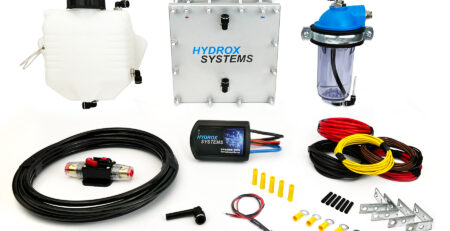
High-efficiency electrolyzers
-
Advanced electrical management
-
Safety-first hardware integration
By leveraging modern vehicle alternator capacity and precision control, Hydrox Systems ensures fuel savings beyond traditional benchmarks, backed by scientific evidence.
9. Conclusion: HHO Fuel Savings Are Real and Measurable
Peer-reviewed research consistently shows that HHO improves combustion efficiency, reduces fuel consumption, and lowers emissions when implemented with proper engineering and management.
Modern vehicles with larger alternators, combined with Hydrox Systems’ high-quality systems, achieve superior results, turning scientific proof into real-world efficiency gains.
References (Direct PDF Links)
-
Skoda Engine Study — https://digitalcommons.aaru.edu.jo/cgi/viewcontent.cgi?article=1304&context=erjeng
-
Thermal Science Combustion Efficiency — https://thermalscience.rs/pdfs/papers-2013/TSCI121014078P.pdf
-
Internal Engineering Journal Study — http://www.ijeijournal.com/papers/Vol.7-Iss.9/E07092631.pdf
-
University of Jordan Diesel Study — https://eacademic.ju.edu.jo/S.Musmar/Lists/Published%20Research/Attachments/22/Green%20transportation
-
Engine Performance Documentation — https://ijritcc.org/download/conferences/ICIIIME_2017/ICIIIME_2017_Track/1498210868_23-06-2017.pdf
-
Emissions Impact of HHO — https://journalijsra.com/sites/default/files/fulltext_pdf/IJSRA-2025-2782.pdf
Subscribe our Newsletter