
What Is HHO Gas?
What Is HHO Gas?
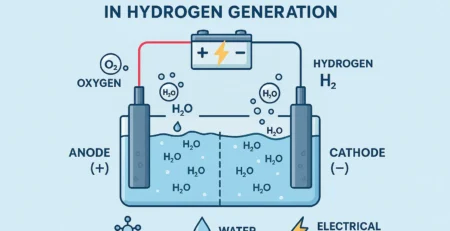
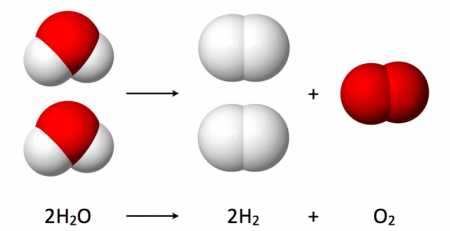
HHO gas—also known as oxyhydrogen—is a mixture of hydrogen (H₂) and oxygen (O₂) in a 2:1 ratio. This is the same ratio found in water (H₂O). Interestingly, this gas is produced using a process called electrolysis, which breaks down water into its base elements using electricity.
When ignited, HHO burns cleanly and produces only water vapor. As a result, it becomes a powerful and eco-friendly alternative to traditional fossil fuels.
🔧 How Is HHO Gas Produced?
⚡ The Electrolysis Process
To begin with, electrolysis involves passing a direct current (DC) through water. This electrical energy splits the hydrogen and oxygen molecules apart, forming HHO gas, a flammable and efficient fuel booster.
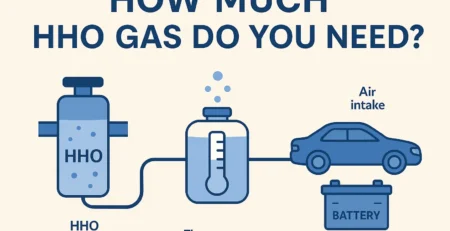
Here’s what’s typically needed in an HHO generator:
-
✅ Electrodes – often made of stainless steel
-
✅ Water reservoir – filled with distilled water and an electrolyte like KOH (potassium hydroxide) or NaOH (sodium hydroxide)
-
✅ Power source – such as a vehicle’s 12V battery or an external power supply
This setup ensures that HHO gas is generated on-demand, meaning it’s produced only when needed.
🚗 Applications of HHO Gas
HHO gas has several practical uses. Let’s look at two key areas where it shines:
🚙 1. Automotive Fuel Enhancement
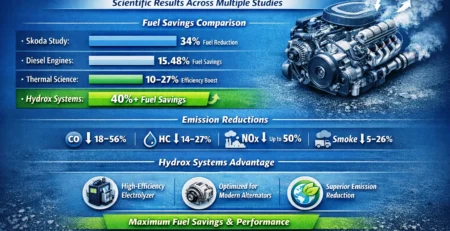
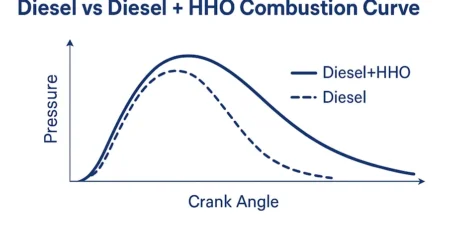
One of the most popular uses of HHO gas is in vehicle engines. Here’s how it works: the gas is introduced into the air intake system, where it mixes with the air-fuel mixture before combustion.
As a result, this improves:
-
⛽ Fuel efficiency
-
🌱 Emission quality
-
🛠️ Engine smoothness and performance
This makes it particularly attractive to fleet operators and drivers looking to save on fuel costs.
🏭 2. Industrial Applications
In addition to automotive use, HHO gas plays a key role in various industrial processes. For instance:
-
🔥 Welding and cutting – due to the extremely high flame temperature
-
💨 Steam production – used in heating and drying systems
-
🧪 Laboratory experiments – controlled, clean combustion for precision work
-
🔬 Glass blowing and processing – thanks to its clean, high-temperature flame
Each of these applications benefits from HHO’s high energy output and clean burn characteristics.
🌿 Benefits of HHO Technology
Whether for transport or industrial use, the benefits of HHO gas are significant. Let’s explore the key advantages:
| ✅ Benefit | 💡 Explanation |
|---|---|
| Fuel savings | Reduces consumption by up to 15–30% |
| Emission reduction | Cuts CO, NOx, and unburned hydrocarbons |
| Engine protection | Keeps engine internals cleaner and cooler |
| Simple installation | Can be retrofitted to most engines with ease |
| Green credentials | Emits only water vapor upon combustion |
Clearly, adopting HHO technology is a step toward a cleaner and more efficient future.
🔐 Is HHO Safe to Use?
Yes, HHO systems are safe when used correctly. Unlike other fuels, HHO gas is not stored under pressure. Instead, it’s produced on-demand, minimizing risks of leaks or explosions.
Furthermore, most systems include:
-
✅ Safety fuses and relays
-
✅ Flashback arrestors
-
✅ Dry cells with overflow protection
This makes HHO safer than many people assume.
💬 Common Myths About HHO
Let’s address a few misconceptions.
❌ “It’s a Scam”
This is one of the biggest myths. While it’s true that low-quality kits and poor installations have given HHO a bad name, many users and scientific experiments have proven real-world benefits—especially with professionally designed systems.
❌ “It Replaces Fuel Entirely”
This is another misunderstanding. HHO supplements fuel—it doesn’t fully replace it. By enhancing combustion, it allows the engine to burn fuel more thoroughly and efficiently. However, it is not yet a stand-alone fuel source.
🌎 HHO and the Green Economy
Today’s world is shifting rapidly toward decarbonization. HHO systems can support this transition in several ways:
-
✅ Reducing fossil fuel usage in vehicles and generators
-
✅ Lowering carbon emissions in logistics and transportation
-
✅ Providing a scalable solution for businesses seeking sustainable upgrades
Additionally, HHO can be combined with green hydrogen and renewable energy sources, making it part of a hybrid decarbonization strategy.
🧠 Is HHO Right for You?
If you are:
-
🚚 A fleet operator
-
🚛 A long-haul truck driver
-
🌍 A business focused on carbon reduction
-
💸 Concerned about rising fuel costs
Then yes—HHO technology is worth exploring.
It offers measurable fuel savings, reduces engine wear, and aligns with the growing demand for cleaner energy solutions.
🔖 Final Thoughts
HHO gas (oxyhydrogen) is not just a buzzword—it’s a functional, tested, and eco-conscious technology that’s already being used globally.
With the world moving toward net-zero emissions, integrating HHO into your engine or industrial process could be the next logical step for saving fuel and protecting the planet.
Subscribe our Newsletter