
Diesel Prices in 2026: What Rising Fuel Costs Mean for U.S. Trucking Companies
Diesel Prices in 2026: What Rising Fuel Costs Mean for the U.S. Trucking Industry
Fuel has always been one of the largest operating expenses in the trucking industry. In 2026, the pressure on fleet operators continues to increase as diesel prices remain volatile and closely tied to global oil prices. For many trucking companies in the United States, managing the fuel cost per mile has become a critical factor in maintaining profitability.
As we move through March 2026, industry analysts are closely watching the direction of oil price movements, geopolitical factors affecting supply, and growing global energy demand. These elements directly influence the diesel price paid by transportation companies, and the outlook for the next three quarters suggests continued uncertainty.
For fleet managers and owner-operators, the question is simple:
How can businesses protect their margins when fuel prices continue to rise?
Diesel Prices in 2026
As of March 2026, the average diesel price in the United States remains significantly higher than historical averages. While prices vary by region, most trucking companies are currently paying between $4.10 and $4.60 per gallon, depending on location, taxes, and supply conditions.
Several factors are driving the current diesel cost environment:
1. Global Oil Price Volatility
Crude oil prices continue to fluctuate due to global demand, OPEC production decisions, and geopolitical instability. When oil prices rise, diesel refineries face higher input costs, which quickly translate into higher fuel prices at the pump.
2. Increasing Global Energy Demand
The world economy continues to grow, and transportation demand is rising. Increased consumption of fuel in logistics, aviation, and shipping puts upward pressure on global oil prices.
3. Refinery Capacity Constraints
Refinery shutdowns, maintenance periods, and reduced refining capacity in some regions have limited diesel production. This supply constraint contributes to higher diesel price levels across the United States.
4. Transportation and Distribution Costs
Higher logistics costs and regional supply limitations can increase the final fuel cost for trucking companies, particularly in remote or high-demand areas.
For many fleets, this means that fuel expenses now represent 30–40% of total operating costs.
What’s coming for the Rest of 2026
Looking ahead to the remaining quarters of 2026, analysts expect continued volatility in oil prices and diesel fuel markets.
Q2 2026 – Continued Price Pressure
In the second quarter, the diesel price is expected to remain elevated due to increasing seasonal transportation demand. Agricultural activity, construction, and freight movement typically increase during this period, placing additional demand on diesel supply.
Forecast estimates suggest diesel cost could range between $4.30 and $4.80 per gallon in many regions.
Q3 2026 – Potential Price Stabilization
By the third quarter, the oil price may stabilize if global supply increases. However, any disruption in production or shipping routes could immediately push fuel prices higher again.
Fleet managers should prepare for continued price swings rather than long-term stability.
Q4 2026 – Winter Demand and Market Uncertainty
Toward the end of the year, heating oil demand often affects diesel availability. This seasonal factor can again increase the diesel price during colder months, especially in northern states.
Overall, the outlook suggests that fuel costs will remain one of the biggest operational challenges for trucking companies in 2026.
The Real Impact of Rising Fuel Costs on Trucking Companies
When the fuel price increases, the impact on trucking operations is immediate and significant.
Reduced Profit Margins
For fleets operating on tight freight contracts, even a small increase in diesel cost per gallon can dramatically reduce profit margins.
For example:
-
A truck traveling 120,000 miles per year
-
Average fuel economy of 6.5 MPG
-
Diesel price increase of $0.50 per gallon
This increase alone can add over $9,000 in additional annual fuel cost per truck.
For fleets with dozens or hundreds of trucks, the impact can reach hundreds of thousands or even millions of dollars.
Increased Freight Rates
Some carriers pass higher fuel costs to customers through fuel surcharges. However, this strategy is not always sustainable in competitive freight markets.
Equipment Wear and Maintenance
Higher fuel consumption often correlates with engine inefficiencies and carbon buildup, which can increase maintenance costs and downtime.
Hidden Fuel Loss: Carbon Buildup in Diesel Engines
Many trucking companies focus only on fuel price fluctuations, but overlook another major contributor to rising fuel costs: engine carbon deposits.
Over time, diesel engines accumulate carbon buildup in critical components such as:
-
EGR (Exhaust Gas Recirculation) valves
-
DPF (Diesel Particulate Filter)
-
Catalytic converters
-
Intake valves and turbochargers
These carbon deposits restrict airflow, reduce combustion efficiency, and force the engine to burn more diesel fuel to produce the same power.
The result is:
-
Higher diesel consumption
-
Reduced engine efficiency
-
Increased maintenance costs
-
Frequent DPF regenerations
-
Expensive component replacements
Many fleets experience fuel efficiency losses of 5–15% due to carbon buildup alone.
A New Approach: Hydrogen-Assisted Combustion
One of the most promising solutions for reducing diesel fuel consumption is the use of hydrogen-assisted combustion technology.
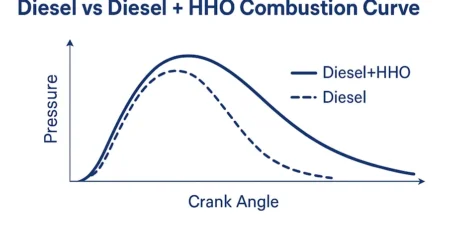
By introducing a small amount of hydrogen gas into the air-fuel mixture, combustion inside the engine becomes significantly more efficient.
Hydrogen has unique properties that improve diesel combustion:
-
Extremely fast flame speed
-
High energy density
-
Ability to ignite diesel fuel more completely
When hydrogen is added to the intake air, it helps the diesel fuel burn more thoroughly. This leads to several important benefits for trucking companies.
How Hydrogen Technology Reduces Fuel Consumption
Hydrogen-assisted combustion can directly address the problems created by rising fuel prices and diesel cost.
1. Lower Fuel Consumption
Improved combustion efficiency allows engines to extract more energy from every gallon of diesel fuel.
Many fleets report fuel savings between 5% and 15%, depending on engine condition and operating conditions.
2. Reduced Carbon Buildup
More complete combustion significantly reduces soot formation inside the engine.
This helps prevent carbon accumulation in:
-
EGR systems
-
DPF filters
-
catalytic converters
-
turbochargers
3. Lower Maintenance Costs
Cleaner combustion leads to fewer maintenance issues, less frequent DPF regeneration, and longer component life.
4. Reduced Emissions
Hydrogen-assisted combustion also reduces harmful emissions, helping fleets move toward sustainability and regulatory compliance.
Protecting Profit Margins in a High Fuel Price Environment
In today’s market, trucking companies cannot control oil prices or diesel price fluctuations. However, they can control how efficiently their engines use fuel.
Fleet managers who focus on fuel efficiency improvements can significantly reduce operational expenses even when the fuel price rises.
Consider the impact:
A fleet of 50 trucks saving just 8% on fuel consumption could reduce annual fuel expenses by hundreds of thousands of dollars, depending on mileage and diesel price levels.
In a competitive industry with tight margins, these savings can make a major difference in profitability.
Why Forward-Thinking Fleets Are Adopting Hydrogen Technology
Across North America and Europe, more transportation companies are beginning to explore hydrogen technologies that improve diesel engine efficiency.
Instead of waiting for expensive engine replacements or transitioning entirely to alternative fuels, fleets can improve existing diesel engines by enhancing the combustion process.
This strategy allows companies to:
-
Reduce fuel cost immediately
-
Extend engine life
-
Reduce maintenance downtime
-
Improve sustainability metrics
Most importantly, it allows fleets to remain competitive even as oil prices and fuel prices continue to rise.
Discover How Hydrogen Can Reduce Your Fuel Costs
Rising diesel prices and increasing fuel costs are forcing trucking companies to rethink how they manage fuel efficiency.
Hydrogen-assisted combustion offers a practical solution that can help fleets:
-
Reduce diesel consumption
-
Prevent carbon buildup
-
Lower maintenance costs
-
Improve overall engine performance
If you want to learn how hydrogen technology can help your trucks operate more efficiently, explore the solution developed by Hydrox Systems.
👉 Learn more here:
https://www.hydroxsystems.com/trucking-and-hydrogen/
Subscribe our Newsletter