Diesel Fuel Prices in April 2026: Forecast, Risks, and How Trucking Companies Can Stay Profitable
Diesel Fuel Prices in April 2026: What Every Trucking Company Needs to Know
Diesel fuel remains the backbone of the U.S. transportation industry. In April 2026, however, the cost of diesel fuel is becoming one of the most serious threats to profitability for trucking companies, fleet operators, and independent drivers.
With oil prices fluctuating globally, diesel fuel has entered a phase of sustained volatility. Companies that fail to adapt risk losing margins, while those that act strategically can turn rising fuel costs into a competitive advantage.
This is not just about surviving higher diesel fuel prices. It’s about redefining operational efficiency in a market where every gallon counts.
Diesel Fuel Price in April 2026
As of April 2026, the average diesel fuel price across the United States is hovering between $4.20 and $4.75 per gallon, depending on region and supply conditions.
This level reflects a combination of macroeconomic and industry-specific factors:
Global oil price instability continues to influence refining costs, keeping diesel fuel prices elevated
Supply chain adjustments and refinery capacity limitations are restricting output
Seasonal demand is increasing as freight volumes rise in spring and early summer
Geopolitical tensions are impacting crude oil availability and transportation
For trucking companies, this translates directly into rising fuel cost per mile, which is one of the most critical metrics in fleet performance.
Why Diesel Fuel Prices Are Staying High
To understand where diesel fuel prices are heading, it’s important to analyze the core drivers behind current market conditions.
Oil Prices and Global Demand
The connection between diesel fuel and oil prices is direct and unavoidable. When the oil price increases, the cost of producing diesel fuel rises immediately.
Global demand for energy continues to grow, especially in developing economies. This creates sustained upward pressure on oil prices, which directly affects diesel fuel cost in the U.S.
Refining Constraints
Even when crude oil supply is stable, diesel fuel production can be limited by refining capacity. Scheduled maintenance, environmental regulations, and reduced investments in refinery expansion have tightened supply.
This leads to higher diesel fuel prices, particularly during peak demand periods.
Logistics and Distribution Costs
Transporting fuel across long distances adds another layer of cost. Regional imbalances in supply and demand can significantly impact the diesel price paid by trucking companies.
Diesel Fuel Price Forecast for 2026
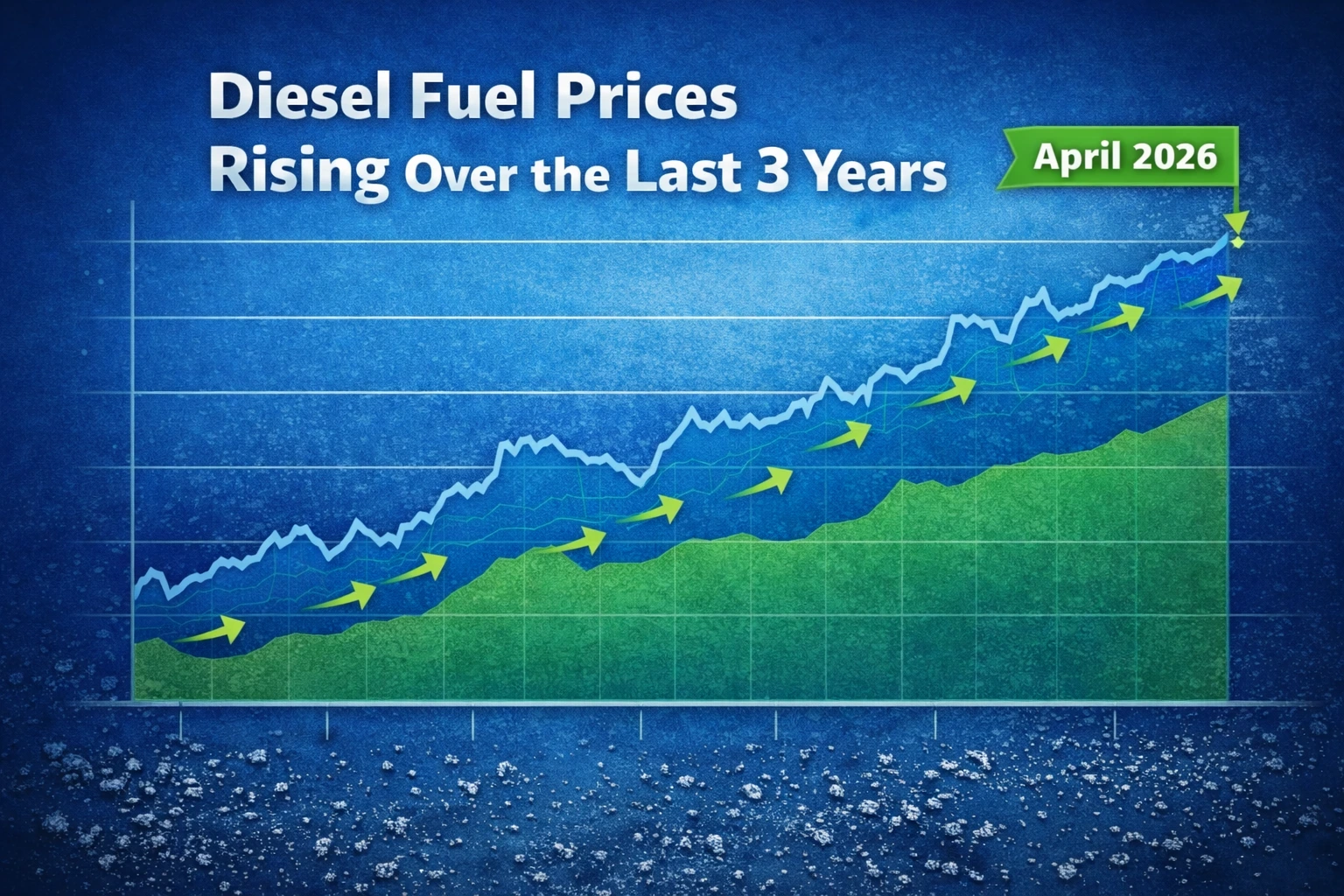
Looking ahead, the outlook for diesel fuel suggests continued volatility with a generally upward trend.
Q2 2026: Demand-Driven Pressure
During the second quarter, diesel fuel demand typically rises due to increased construction, agriculture, and freight activity.
Expected diesel price range: $4.30 to $4.90 per gallon
Fleets should prepare for elevated fuel cost levels and potential regional spikes.
Q3 2026: Temporary Stabilization or Sudden Spikes
The third quarter may bring short-term stability if oil prices stabilize. However, any disruption in crude oil supply could quickly drive diesel fuel prices higher.
Expected diesel cost range: $4.20 to $4.80 per gallon
This period will likely remain unpredictable rather than stable.
Q4 2026: Seasonal Pressure Returns
As winter approaches, heating oil demand competes with diesel fuel supply. This seasonal shift often results in increased fuel prices across the market.
Expected diesel fuel price range: $4.40 to $5.10 per gallon
For trucking companies, this means fuel cost planning must account for year-end volatility.
The Strategic Impact of Diesel Fuel on Profitability
Diesel fuel is not just another expense. It is the largest variable cost in trucking operations.
When diesel fuel prices rise, companies face three immediate challenges:
Reduced margins due to higher operating costs
Limited ability to pass fuel cost increases to customers
Increased pressure to improve efficiency across the fleet
Even a small increase in diesel fuel price can have a massive impact.
Consider a single truck:
120,000 miles per year
6.5 miles per gallon
Diesel fuel price increase of $0.40 per gallon
This results in more than $7,000 in additional annual fuel cost per truck.
Now scale that across a fleet of 100 trucks, and the financial impact becomes a serious business risk.
The Overlooked Factor: Inefficient Combustion and Fuel Waste
While many companies focus on diesel fuel price trends, they often overlook a critical internal issue: inefficient fuel combustion.
In most diesel engines, not all fuel burns completely. This leads to:
Wasted diesel fuel
Carbon buildup inside the engine
Reduced power and efficiency
Higher emissions
Carbon deposits accumulate in key components such as:
EGR systems
DPF filters
Catalytic converters
These deposits restrict airflow and reduce combustion quality, forcing the engine to consume more diesel fuel to maintain performance.
This hidden inefficiency can increase fuel consumption by up to 10–15%, significantly raising overall fuel cost.
Hydrogen: A Smarter Way to Use Diesel Fuel
To address both rising diesel fuel prices and internal inefficiencies, forward-thinking fleets are adopting hydrogen-assisted combustion technology.
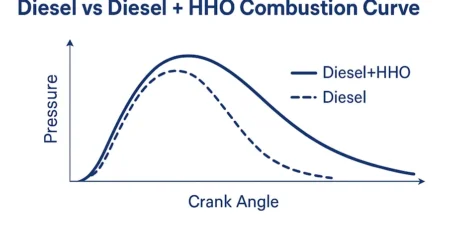
By introducing a controlled amount of hydrogen into the air intake, the combustion process becomes faster and more complete.
Hydrogen acts as a combustion catalyst, allowing diesel fuel to burn more efficiently inside the cylinder.
How Hydrogen Improves Diesel Fuel Efficiency
More Complete Combustion
Hydrogen enhances the burn rate of diesel fuel, reducing unburned fuel particles and increasing energy output per cycle.
Lower Diesel Fuel Consumption
With improved combustion, engines require less diesel fuel to produce the same power.
This directly reduces fuel cost and improves profitability.
Reduction of Carbon Buildup
Cleaner combustion means fewer carbon deposits in:
EGR valves
DPF systems
Catalytic converters
This keeps the engine cleaner and more efficient over time.
Reduced Maintenance Costs
Less carbon buildup results in fewer breakdowns, less frequent DPF regeneration, and longer component lifespan.
Turning Rising Diesel Fuel Prices Into a Competitive Advantage
The reality is clear: diesel fuel prices will remain volatile, and oil prices will continue to influence the market.
However, companies that invest in efficiency can transform this challenge into an opportunity.
Instead of absorbing rising fuel cost, fleets can:
Reduce diesel fuel consumption
Improve engine efficiency
Lower maintenance expenses
Increase operational reliability
This approach allows trucking companies to maintain or even increase profit margins despite rising diesel fuel prices.
Why Hydrox Systems Is the Strategic Solution
Hydrox Systems has developed advanced hydrogen technology specifically designed for diesel engines in transportation and industrial applications.
By integrating hydrogen into the combustion process, Hydrox Systems helps fleets:
Reduce diesel fuel consumption significantly
Prevent carbon buildup in critical engine components
Improve engine performance and longevity
Lower total operating cost
This is not a future concept. It is a practical, proven solution that can be implemented today.
Take Control of Your Diesel Fuel Costs
Waiting for diesel fuel prices to drop is not a strategy. The companies that succeed in 2026 and beyond will be those that take control of their fuel efficiency.
If your fleet is facing rising diesel cost, now is the time to act.
Discover how hydrogen technology can help your trucks consume less diesel fuel, stay cleaner, and operate more efficiently.
👉 Learn more here:
Hydrox Systems Trucking & Hydrogen Solutions
The future of trucking profitability will not be determined by diesel fuel prices alone, but by how efficiently your fleet uses every gallon.
Subscribe our Newsletter