What Is Hydrogen? The Ultimate Guide to the Universe’s Most Abundant Element
What Is Hydrogen? The Ultimate Guide
Introduction
Hydrogen is the simplest and most abundant element in the universe, making up about 75% of all normal matter. Yet, despite its simplicity, hydrogen holds incredible potential as a fuel, energy carrier, and industrial resource. From powering rockets to fueling clean energy systems, hydrogen is at the forefront of the global energy transition.
In this comprehensive guide, we’ll explore:
-
The history of hydrogen and its discovery
-
Hydrogen’s properties as a gas
-
Its uses as a fuel, energy carrier, and industrial resource
-
The role of Bulgarian innovator Yull Brown in hydrogen technology
-
The future of hydrogen in a decarbonized world
Whether you’re an energy enthusiast, engineer, or just curious about hydrogen’s potential, this guide will provide deep insights into this remarkable element.
The History of Hydrogen: From Discovery to Modern Applications
Early Discoveries
Hydrogen was first recognized as a distinct substance in 1671 by Robert Boyle, who observed its production when iron reacted with acids. However, it wasn’t until 1766 that Henry Cavendish formally identified it as an element, calling it “flammable air.”
In 1783, Antoine Lavoisier named it “hydrogen” (from the Greek hydro = water, and genes = forming) because it produces water when burned.
Hydrogen in the Industrial Revolution
By the 19th century, hydrogen found its first major industrial use in gas lighting and later in airships (like the infamous Hindenburg). However, due to its flammability, safer alternatives eventually replaced it in these applications.
The Space Age & Hydrogen Fuel
The 20th century saw hydrogen become a key rocket fuel. NASA used liquid hydrogen (LH₂) in the Space Shuttle’s main engines, thanks to its high energy density—three times more than gasoline per unit mass.
Yull Brown: The Bulgarian Innovator in Hydrogen Technology
One of the most fascinating figures in hydrogen research is Yull Brown (1922-1998), a Bulgarian-born Australian inventor. Brown developed “Brown’s Gas”, a hydrogen-oxygen mixture produced via electrolysis, which he claimed had unique properties for welding, fuel enhancement, and even medical applications.
While some of his claims remain controversial, his work pioneered modern hydrogen electrolysis techniques, influencing today’s green hydrogen industry.
Hydrogen as a Gas: Properties & Characteristics
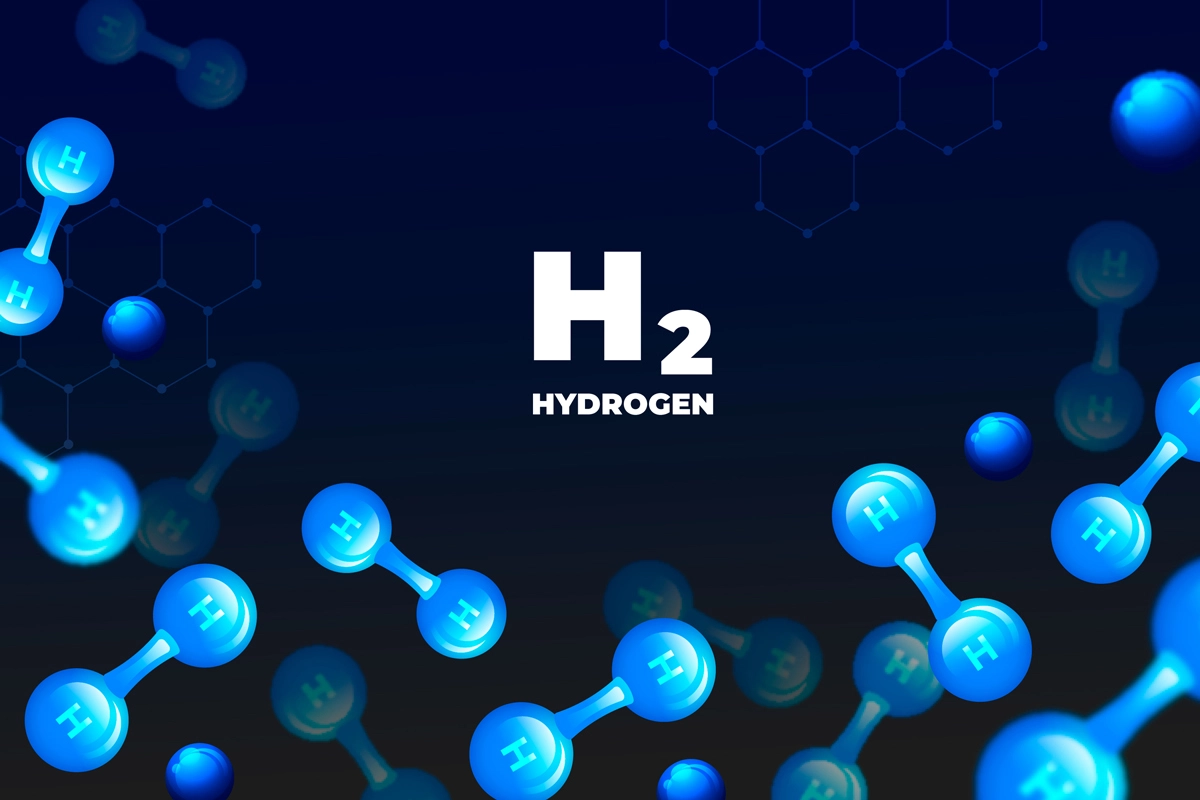
Hydrogen (H₂) is a colorless, odorless, tasteless, and highly flammable gas. Here are its key properties:
| Property | Value |
|---|---|
| Atomic Number | 1 |
| Molecular Weight | 2.016 g/mol |
| Density (at STP) | 0.08988 g/L (lightest gas) |
| Boiling Point | -252.87°C (-423.17°F) |
| Flammability Range | 4%–75% in air (extremely wide) |
| Energy Content | 120-142 MJ/kg (highest of any fuel) |
Why Is Hydrogen Unique?
-
Lightest Element: Escapes Earth’s gravity easily (used in weather balloons).
-
High Energy Content: More energy per kg than gasoline or natural gas.
-
Zero Carbon Emissions: When burned, it only produces water (H₂O).
Hydrogen Production Methods
Hydrogen isn’t naturally found in pure form—it must be extracted. The main production methods are:
-
Steam Methane Reforming (SMR) (Gray Hydrogen)
-
Uses natural gas (CH₄) + steam → H₂ + CO₂ (emits carbon).
-
~95% of today’s hydrogen comes from SMR.
-
-
Electrolysis (Green Hydrogen)
-
Uses electricity to split water (H₂O → H₂ + O₂).
-
If powered by renewables (solar/wind), it’s 100% clean.
-
-
Coal Gasification (Brown Hydrogen)
-
Reacts coal with steam → H₂ + CO₂ (high emissions).
-
-
Thermochemical Water Splitting (Future Tech)
-
Uses nuclear/solar heat to decompose water.
-
Uses of Hydrogen: Fuel, Energy Carrier & Industrial Applications
1. Hydrogen as a Fuel
-
Fuel Cell Vehicles (FCEVs):
-
Toyota Mirai, Hyundai Nexo use hydrogen fuel cells (emitting only water).
-
3x more efficient than internal combustion engines.
-
-
Rocket Propulsion:
-
NASA, SpaceX use liquid hydrogen (LH₂) + liquid oxygen (LOX).
-
-
Aviation & Maritime:
-
Airbus is developing hydrogen-powered planes by 2035.
-
Ships are testing ammonia (NH₃, derived from H₂) as fuel.
-
2. Hydrogen as an Energy Carrier
Unlike electricity, hydrogen can be stored long-term and transported.
-
Power-to-Gas (P2G): Excess wind/solar → H₂ → stored in tanks or pipelines.
-
Seasonal Energy Storage: Hydrogen can balance renewable energy fluctuations.
3. Industrial Uses of Hydrogen
-
Ammonia (NH₃) Production (for fertilizers).
-
Oil Refining: Removes sulfur from fuels (hydrodesulfurization).
-
Steelmaking: Replaces coking coal (HYBRIT project in Sweden).
-
Methanol & Synthetic Fuels: Combines H₂ + CO₂ → liquid fuels.
The Future of Hydrogen: Challenges & Opportunities
Challenges
-
Storage & Transport: Hydrogen is low-density, requiring high-pressure tanks or cryogenic temps.
-
Cost of Green Hydrogen: Electrolysis is still expensive, but prices are falling.
-
Infrastructure: Need for H₂ pipelines & refueling stations.
Opportunities
-
Decarbonizing Heavy Industry: Steel, cement, chemicals need clean H₂.
-
Global Hydrogen Economy: Countries like Germany, Japan, Australia investing billions.
-
Hydrogen Cities: Pilot projects in Denmark, China, UAE testing 100% H₂ energy grids.
Conclusion: Hydrogen’s Role in a Clean Energy Future
Hydrogen is more than just a gas—it’s a versatile energy solution that could help decarbonize transport, industry, and power grids. From Yull Brown’s innovations to modern green hydrogen projects, the element is shaping the future of energy.
As renewable energy costs drop and hydrogen tech advances, we may soon see a hydrogen-powered world. The question isn’t if hydrogen will play a major role—it’s how soon.
Subscribe our Newsletter